
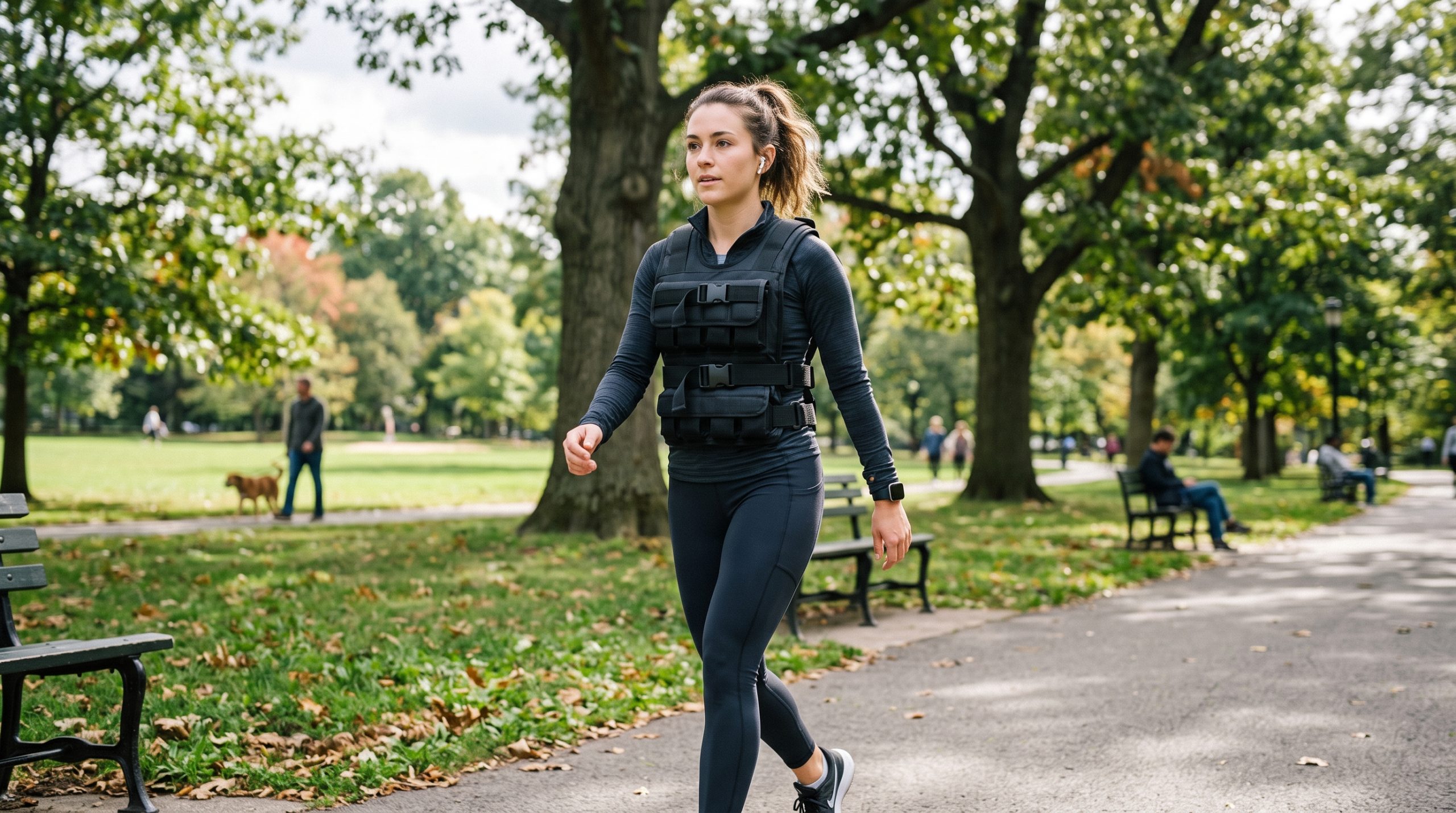
Walking has a branding problem. It’s free, gentle on your joints, and quietly effective, yet it never gets the glow-up that kettlebells and cold plunges do. Enter the weighted vest: the accessory that turns your neighborhood loop into a tiny mountain expedition.
Between TikTok workout routines and that coworker who won’t stop talking about rucking, vests are everywhere in 2026. So is a weighted vest for walking actually worth your money, or just a pricey way to sweat on a Tuesday? Let’s find out.
The Short Answer: Yes, With Fine Print
For healthy adults who already walk regularly and want more payoff from the same 30 minutes, a weighted vest for walking is a smart, low-cost upgrade. For beginners, anyone with cranky joints, or anyone hoping for a magic fat-melting shortcut, it’s more of a “not yet.”
Quick gut check:
- Worth it if: your walks feel too easy, your schedule is tight, or you want something that builds strength, not just step counts.
- Skip it if: you’re newly active, recovering from an injury, or hoping the vest will do all the work.
What a Weighted Vest Actually Does
Adding load makes your body work harder at the same pace. That’s the whole trick. Here’s what you can realistically expect:
- Higher effort per step. Your heart rate climbs, and you burn more calories per mile than you would unweighted. It’s a boost, not a bonfire.
- More muscle recruitment. Glutes, calves, core, and upper back all pitch in to keep you upright.
- Bone-friendly loading. Weight-bearing activity supports bone density, and research in older adults suggests added load may help. Check with your doctor first if bone health is a concern.
- Time efficiency. Same walk, more stimulus. Handy when your schedule feels like a hostage situation.
Notice what’s missing? Spot-reducing belly fat, “melting” anything, and any claim that includes the word “hack.”
Who Gets the Most Out of It
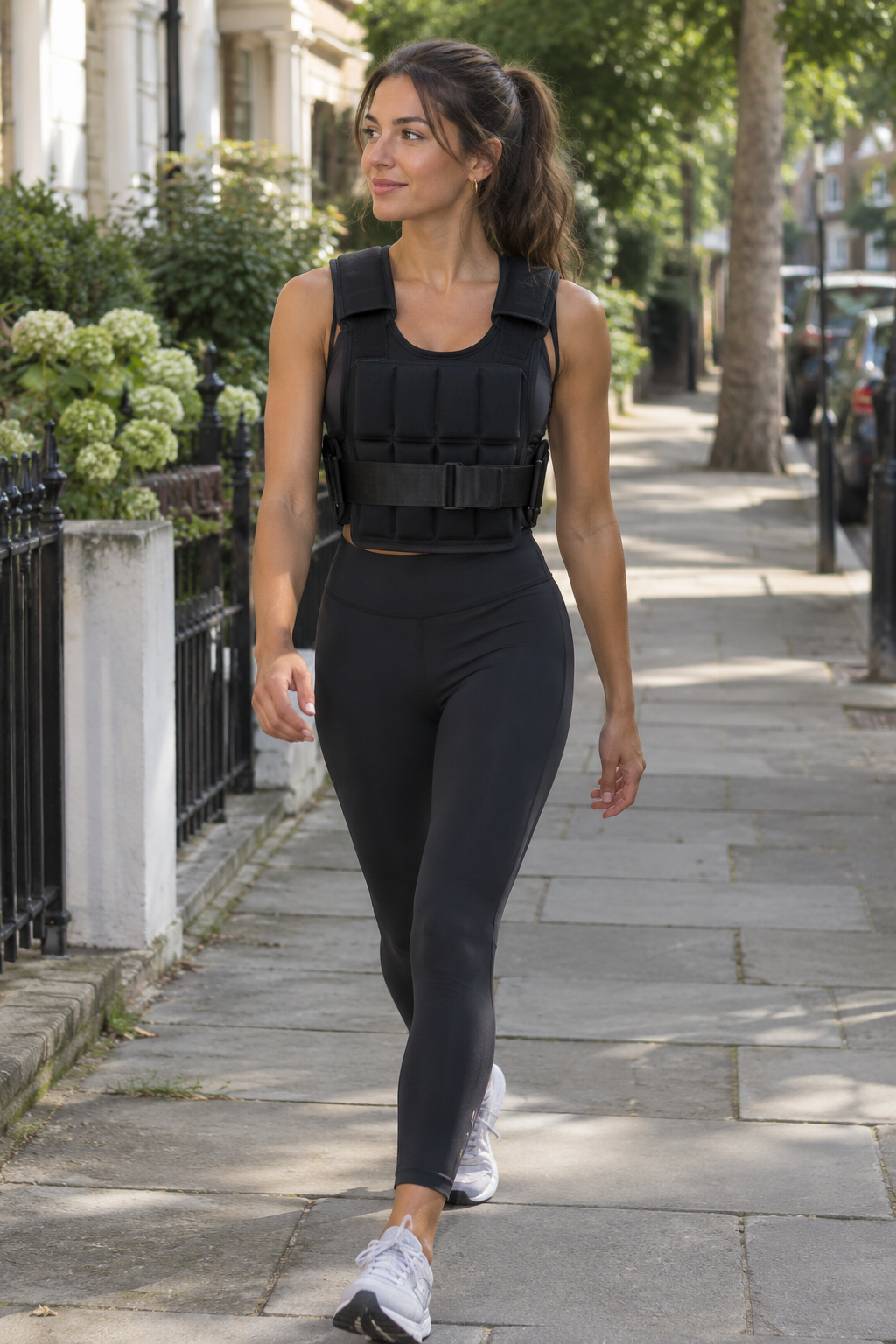
A vest tends to shine for a few types of walkers:
- Plateaued walkers. If your usual route no longer raises your pulse, extra load is an easy fix.
- Strength-training fans. It adds resistance to days when you’d otherwise skip the weights.
- Hikers and travelers. Training with a little weight preps you for carrying a pack.
- Busy people. You can’t add an hour to your day, but you can make 30 minutes count more.
The Downsides Nobody Puts in the Caption
Vests aren’t villains, but they aren’t a free lunch either.
- Joint stress. Extra pounds mean extra impact on knees, hips, and ankles.
- Posture drift. Too much weight and you’ll lean forward like you’re walking into a headwind.
- Overuse injuries. Shin splints and sore feet adore an overeager beginner.
- Heat. In July, a vest is basically a hug from a radiator.
- Messy data. Your fitness tracker can’t feel the extra load, so don’t be shocked if the numbers look underwhelming.
How Heavy Should Your Vest Be?
Start light. Most trainers suggest staying between 5 and 10 percent of your body weight, with beginners hugging the low end. For a 160-pound walker, that means about 8 pounds to start and 16 as a ceiling.
Add a pound or two every couple of weeks, but only if your form stays clean. If your stride shortens, your lower back complains, or your shoulders creep toward your ears, the vest is too heavy. Take weight out. Ego is not a training principle.
How to Walk With One Without Regret
- Start with two or three weighted walks a week, 20 to 30 minutes each.
- Keep the vest snug so it doesn’t bounce. A loose vest is a chafing machine.
- Stand tall, eyes up, shoulders relaxed.
- Save hills and speed intervals for after the first few weeks.
- Skip the all-day wear. Your spine has feelings.
Whether you pair walks with home workouts or a few gym sessions, build in recovery days. Muscles get stronger while you rest, not while you march.
What to Look For When You Buy
When shopping for a weighted vest for walking, ignore the flashy colors and check the boring stuff:
- Adjustable weight. Removable plates or sandbags let you progress without buying a second vest.
- Even distribution. Weight should sit evenly front and back, not sag on your lower spine.
- Secure straps. A sternum strap and snug side adjusters keep bounce to a minimum.
- Breathable fabric. Mesh panels are your friend, especially in summer.
- A realistic price. Decent vests often run somewhere around $50 to $150. Ultra-cheap ones tend to fit badly, and fit is everything.
Who Should Check With a Doctor First
A weighted vest for walking isn’t for everyone. If you have back, hip, or knee problems, balance issues, a heart condition, or osteoporosis, or if you’re pregnant, get a medical go-ahead before strapping on extra pounds. This isn’t a legal disclaimer. It’s just smart.
Better Ways to Level Up Your Walk (No Vest Required)

A vest isn’t the only way to turn up the dial. Free upgrades include:
- Walking faster for stretches (try 3 minutes brisk, 1 easy).
- Adding hills or stairs to your route.
- Swinging your arms with purpose.
Ankle weights, on the other hand, are a hard pass for most people. They can alter your gait and put odd stress on your joints.
Plenty of fitness trends come and go, but progressive overload never gets old. That’s the simple idea of asking your body for slightly more over time, and a vest is just one tidy way to do it.
The Verdict
A weighted vest for walking is worth it if you already walk consistently, buy an adjustable one that fits well, and ramp up slowly. It’s not worth it if you’re expecting it to do the heavy lifting, or if your joints are already waving a white flag.
Think of it as a seasoning, not the main course. Pair it with decent sleep, enough protein, and a balanced diet plan, and you’ve got a simple, sustainable upgrade to the most underrated workout there is.
Already tried a vest, or still on the fence? Tell us how it went in the comments!





Leave A Comment