
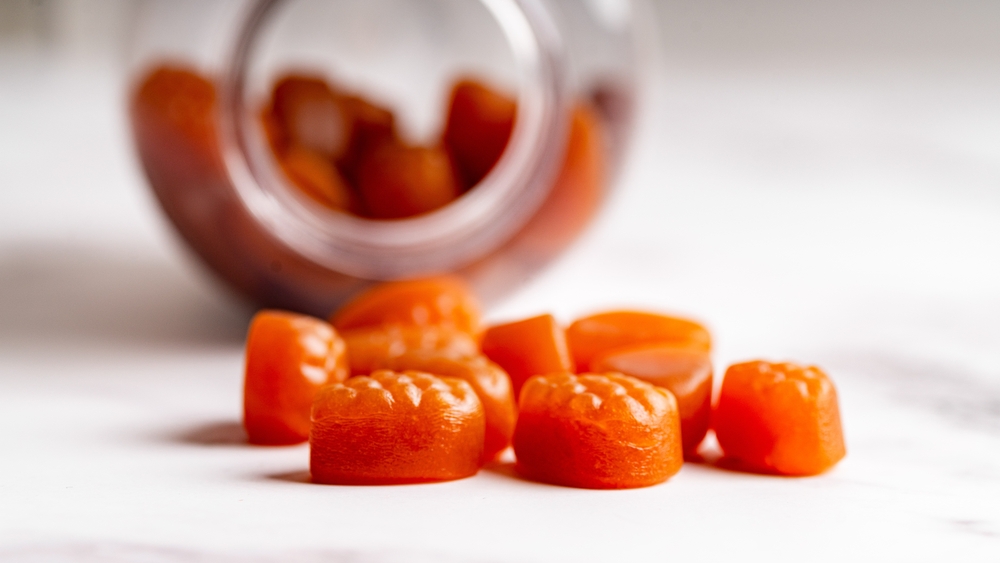
Somewhere between the 47th “get ready with me” and a sponsored ad for a jelly bean that “does the work of a serum,” you probably stopped scrolling. A tiny gummy claiming to outperform your nighttime routine? Sure, Jan.
And yet — here we all are, talking about edible retinoids like they’re the second coming of hyaluronic acid.
Let’s break down what’s actually happening, minus the hype, plus the receipts.
What Are Edible Retinoids, Exactly?
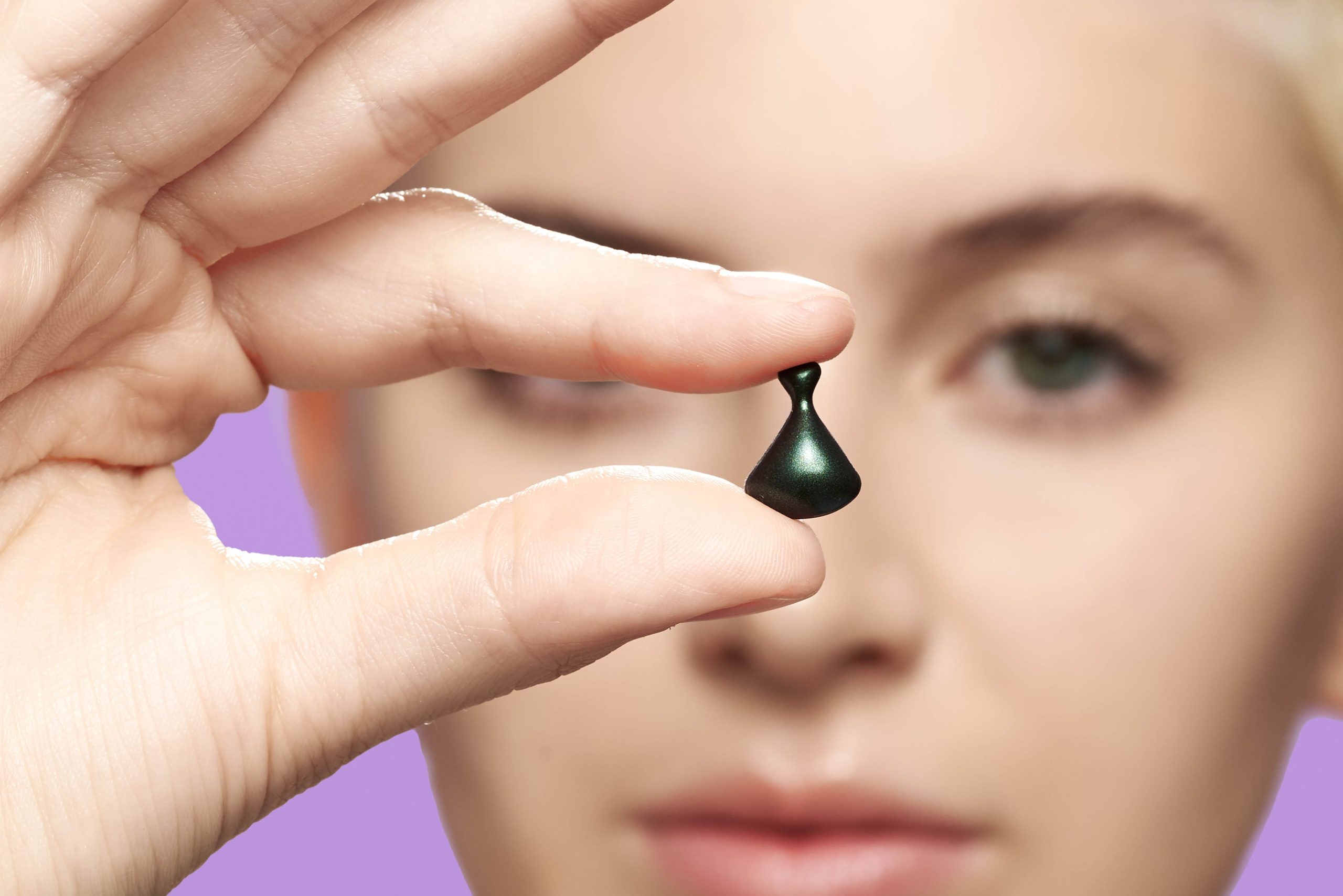
Strip away the TikTok filter and edible retinoids are essentially retinol’s ingestible cousin — vitamin A derivatives formulated into gummies, capsules, powders, or “shots” that you swallow instead of smear.
The pitch is simple: instead of applying an active topically and hoping it penetrates the skin barrier, you take it internally as part of your daily supplement stack, right alongside your collagen powder and your fifth cup of coffee.
Brands love the framing because it’s genuinely clever marketing. No burning. No purging. And no standing in front of the mirror at 11 p.m. wondering if you layered your actives wrong. Just pop, chew, done.
Why TikTok Won’t Let This Trend Die
A few reasons this exploded the way it did:
- It’s visual. Gummies photograph better than a beige tube of prescription cream.
- It’s lazy-girl coded. The algorithm rewards routines that feel effortless, and nothing says “low maintenance” like skipping a step entirely.
- It’s got a built-in before/after arc. Thirty-day check-ins are basically a content format at this point.
- It rides the “ingestible beauty” wave. Collagen drinks, biotin gummies, glutathione capsules — the appetite (pun intended) for beauty-from-within products has been building for years, and edible retinoids landed right in that lane.
None of that is inherently bad. It’s just worth knowing you’re watching a marketing trend evolve in real time, not a peer-reviewed rollout.
The Case for Edible Retinoids
Here’s the honest, non-dramatic version: edible retinoids are a cosmetic supplement category, not a swap for dermatologist-grade topical retinoids, and no reputable brand should be positioning them that way.
Topical retinoids have decades of formulation history behind how they interact with skin cells at the surface level. Ingestible versions are a newer category, and how (or whether) they show up in your complexion the same way a topical would is still very much an open question depending on the product, the dose, and, frankly, your own skin.
That doesn’t make them pointless. It just means the smart move is treating them the way you’d treat any supplement — as a “nice to have” addition to a routine you already trust, not a replacement for it.
Where Edible Retinoids Actually Fit Into a Routine

Think of it less as “instead of” and more as “in addition to.”
If your evenings already involve a proper cleanse, a hydrating layer, and something targeted for texture or tone, an ingestible add-on slots in without disrupting anything. It’s less about overhauling your whole shelf and more about not skipping the basics while chasing a trend — the same logic behind giving your skin an actual reset on a slower weekend instead of powering through a rushed routine every night.
And if you’re someone who’s already meticulous about the areas that show wear first — the under-eye area being a classic offender — it’s worth remembering that technique still outperforms trend. Getting the application method right on your existing eye product matters more than adding a gummy to the mix.
Does It Replace Your Topical Retinol?
Short answer: no, and most brands making these products aren’t actually claiming it does — the loudest version of that claim usually comes from TikTok comment sections, not ingredient labels.
Edible retinoids are best understood as a support player. Your topical routine — cleanser, treatment, moisturizer, SPF in the morning, non-negotiably — is still doing the heavy lifting. The supplement is the assist, not the MVP.
If you’ve tested viral skincare drops before and walked away either impressed or unbothered, apply that same skepticism here. Hype cycles move fast, and not every viral pick earns its spot on your counter.
A Quick Sanity-Check List Before You Buy
- Check the ingredient list, not just the marketing copy
- Look for actual dosage information, not vague “proprietary blend” language
- Don’t stack multiple vitamin A sources (topical + ingestible + multivitamin) without knowing your total intake
- Treat “clinically inspired” as different from “clinically tested”
- Give any supplement a realistic runway — 30-day TikTok check-ins are entertainment, not data
The 2026 Verdict
Edible retinoids aren’t a scam, but they’re also not a shortcut around a solid skincare routine. They’re a trend built on a genuinely interesting idea — beauty from the inside out — wrapped in extremely good marketing and an even better content format.
If you’re curious, there’s low risk in adding one to your routine as a supplement, the same way plenty of people already approach their diet with balance over restriction rather than chasing the next miracle fix. Just keep your expectations proportional to the packaging: cute, convenient, and complementary — not a replacement for the basics that actually built your skin barrier in the first place.
Will edible retinoids still be trending by next TikTok cycle? Hard to say. But the underlying idea — that what you put in your body matters as much as what you put on it — probably isn’t going anywhere.



Leave A Comment